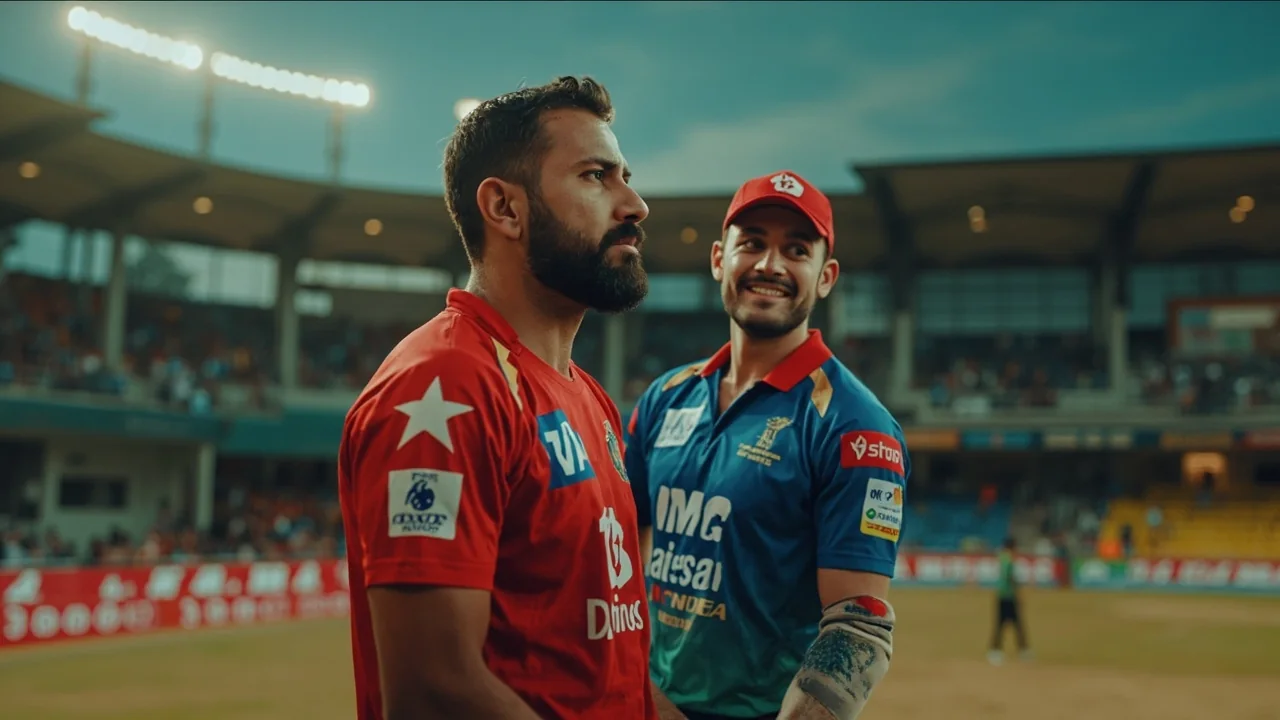
Pant returns to Delhi as part of an INR 28.25 crore, two-for-one swap ahead of IPL 2027
The two line items that re-set the IPL trade-window ceiling came through in the same week of June 2026, well before the IPL 2027 mega auction. Rishabh Pant moved from Lucknow Super Giants back to Delhi Capitals on a revised INR 15 crore, with Kuldeep Yadav going the other way for INR 13.25 crore. The combined INR 28.25 crore value of both contracts is the highest-valued single trade the league has filed, and the only one to involve two capped India players crossing the trade window in the same window.
The numbers behind the figure explain the re-set. LSG had paid the original INR 27 crore retention price for Pant ahead of IPL 2026 before the regulator-side picture changed and Pant negotiated a revised INR 15 crore deal with Delhi. The Delhi side matched that figure and added Kuldeep as the cash balancer to bring the deal under the trade-window cap. The effective market value of the two-for-one is the highest in IPL history when you sum both contracts; no all-cash deal from the previous mega-auction cycle touched it.
For fantasy users, the read is that Pant at INR 15 crore locks him into a top-three captain pick on every Indian app in IPL 2027. Kuldeep at INR 13.25 crore slots into the second spinner slot of every 100-credit lineup and pushes Wasim Akram-era benchmarks for left-arm wrist-spin value on the captaincy board.
Combined value
INR 28.25 crore (Pant INR 15 Cr + Kuldeep INR 13.25 Cr)
Direction
Pant LSG → DC; Kuldeep DC → LSG. Window: pre-IPL 2027.
Why it ranks #1
Two capped India players, single trade window, highest combined contract value filed.
Fantasy read
Pant locks top-three captain pick for IPL 2027; Kuldeep resets the second-slot spinner ceiling.
Samson to CSK, Jadeja revised, Curran top-up: a three-player INR 34.40 crore package
If you strip the combined-value rule and look at total player movement in a single trade window, the pre-IPL 2026 Rajasthan Royals → Chennai Super Kings swap is the heaviest on record. Sanju Samson went to CSK. Ravindra Jadeja went the other way on a revised INR 14 crore (down from the original INR 18 crore). Sam Curran was the cash balancer at INR 2.4 crore. The package combined three international or capped players crossing franchises inside the same window, and the published contract value summed to INR 34.40 crore across all three names.
The structure is the trade the regulator and the BCCI teams were watching. RR freed the captaincy slot to rebuild the top order around Yashasvi Jaiswal and Vaibhav Sooryavanshi. CSK picked up a long-format captain they had been without since MS Dhoni eased into the back end of his playing career. Jadeja moving on a revised contract (the second revision in two years) is the clearest signal that the league is now willing to haircut retention prices for senior players to keep trade windows moving.
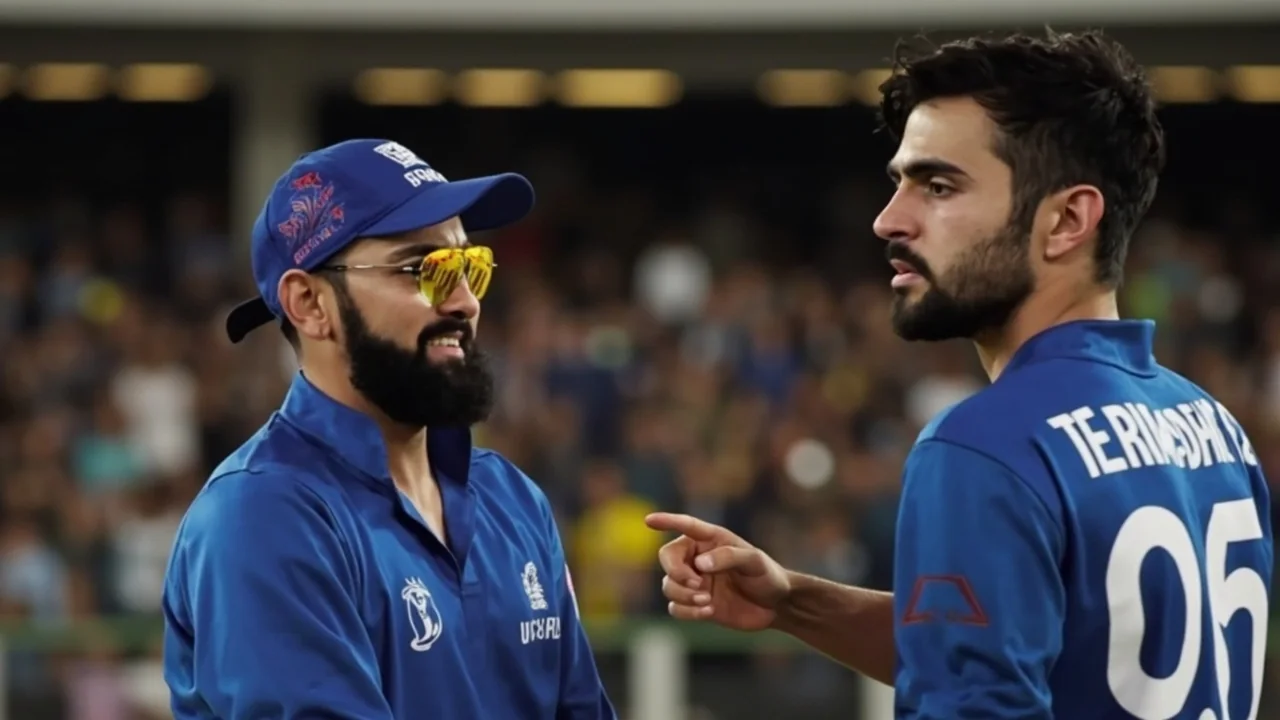
For the fantasy ladder the read is that Samson's IPL 2026 captaincy slot at CSK is the cleanest captaincy minute he has had since 2018. Jadeja's ceiling at number four for RR, with the ball in his hand, is back to the all-rounder ceiling that anchored his retention price at Chennai for most of the last decade. Sam Curran slots into the England-quota slot RR had been chasing since the 2024 auction.
Why the package price outran the Pant swap
The Samson-Jadeja-Curran swap involved three players on retained contracts. The Pant-Kuldeep swap involves two. When you sum the three retained values against the cap-room available, the RR-CSK deal cost both franchises a combined INR 34.40 crore of value traded — more than the INR 28.25 crore sum on the Pant deal — but no single component matched Pant's INR 15 crore.
For fantasy users, this is the rule: a multi-player swap can outprice a single-name trade while every individual contract on the swap stays below the headline number. Watch the package value, not the single-captain headline, when you read the trade-window recap.
From a closed auction system to a year-round trade calendar
The trade window was not part of the original IPL rulebook. Through IPL 2013 every squad change happened at the mega auction or mid-season replacement window; you could not buy from or sell to a rival franchise inside season. The first formal player-trade window was opened for IPL 2014, and it took until 2018 for a multi-player swap (Delhi Capitals and Sunrisers Hyderabad shipping Shikhar Dhawan, Vijay Shankar, Shahbaz Nadeem and Abhishek Sharma across franchises with a cash top-up to balance the differential) to land the headline value of the cycle.
The next six years widened the rules in two stages. First, the all-cash trade — a franchise paying the rival an agreed fee plus absorbing the player's contract — became the dominant model: 2023 brought the Shardul Thakur and Lockie Ferguson all-cash deals, 2024 the Cameron Green and Hardik Pandya buybacks. Second, the 2025 revision opened the same-window overseas limit, which now allows a franchise to hold up to eight overseas players across the trade-window and auction-cycle total. That rule is what unlocked the Samson-Jadeja swap and the Pant-Kuldeep deal in 2026.
The Indian-fantasy read is that the trade window has become a second mini-auction in everything but name. Captaincy ladders, points-system projections, and differential-captain reads all shift at the trade-window deadline, not at the mega auction. The dream11/My11Circle/Gamezy apps now update captain matrices on the trade-window close date, and the entry you file in the first week of a new season is built off the trade-window board, not the auction draft.
Trade window opened
First formal window opened for IPL 2014
First multi-player swap
DC-SRH Dhawan package, pre-IPL 2019
All-cash era
Cameron Green / Hardik Pandya buybacks, pre-IPL 2024
Headline mega swap
Samson-CSK pre-IPL 2026; Pant-DC pre-IPL 2027
Cameron Green INR 17.50 crore and the Hardik Pandya buyback that reshuffled MI
The pre-IPL 2024 window is the year the all-cash trade became a standard tool. Mumbai Indians needed to free salary-cap space to fund the Hardik Pandya buyback from Gujarat Titans. The cleanest exit they could engineer was a straight INR 17.50 crore cash trade of Cameron Green to Royal Challengers Bengaluru — the highest single-name all-cash deal in IPL history up to that point and the trade that gave RCB the Australian all-rounder they had been targeting through three auction cycles.
The Pandya move the same window was the INR 15 crore all-cash buyback MI had structured for two years. Pandya had gone to GT ahead of IPL 2022 as part of the original IPL expansion auction, and the trade back to MI handed him the captaincy armband with Rohit Sharma sliding to a senior-mentor slot in the lineup. For pure fantasy value the Pandya move outranks the Green move — a returning captain on his home side is the cleanest captaincy pick on any Indian app — but for trade-window accounting the Green deal is the bigger single cheque.
The fantasy read is that all-cash trades compress the captaincy board into a narrow band. When the highest-paid player on a franchise moves in via an all-cash trade, the captaincy multiplier lifts that one name above the rest of the squad, and the projection model has to re-weight the entire lineup around one move.
Cameron Green
MI → RCB, INR 17.50 crore all-cash (pre-IPL 2024)
Hardik Pandya
GT → MI, INR 15 crore all-cash buyback (pre-IPL 2024)
Effect on the captaincy board
Pandya locks MI captaincy; Green becomes the captaincy-and-vice option at RCB
Accounting note
Highest all-cash trade up to 2024 (Green); highest buyback value (Pandya)
The pre-IPL 2026 bowler window: Shami INR 10 crore, Thakur and Ferguson same cycle
The pre-IPL 2026 trade window doubled down on the all-cash pattern, this time for fast bowlers in the back half of their contracts. Mohammed Shami went from Sunrisers Hyderabad to Lucknow Super Giants for INR 10 crore in straight cash, after a single season at SRH that finished with 6 wickets in 9 games and an economy of 11.23. The salary was the same price LSG had paid for Shami at the IPL 2022 mega auction; the trade was an acknowledgement that the SRH balance of attack needed a different profile.
Shardul Thakur moved from Delhi Capitals to Kolkata Knight Riders in an all-cash INR 10.75 crore trade ahead of IPL 2023 — the cleanest single-name all-cash deal of that window and the highest cheque paid for a capped Indian seamer moving franchises. Lockie Ferguson's all-cash move the same cycle from Gujarat Titans to KKR at INR 10 crore was the matching overseas trade and the one that gave KKR the new-ball pair they had been chasing for two seasons. Both Thakur and Ferguson had a single 12-14 game season at their previous franchises before the move.
The fantasy read here is straightforward. All-cash trades happen when a franchise believes the value of the player has compressed relative to the contract value on the books. The fantasy user who watches the pre-trade-window numbers (recent form, economy, role fit) before the announcement gets the cheapest entry on the captaincy ladder before the projection models re-price the move.
Mohammed Shami
SRH → LSG, INR 10 crore all-cash (pre-IPL 2026). 6 wickets in 9 SRH games at ER 11.23.
Shardul Thakur
DC → KKR, INR 10.75 crore all-cash (pre-IPL 2023). 14-game DC season.
Lockie Ferguson
GT → KKR, INR 10 crore all-cash (pre-IPL 2023). 13 GT games, 12 wickets.
Common pattern
Single-season stop, all-cash move, identical cheque to the original auction price.
The Dhawan-Shankar multi-player swap that taught the league the trade-window playbook
Ahead of IPL 2019, Delhi Capitals and Sunrisers Hyderabad executed the first four-player swap the league had seen. Shikhar Dhawan went to Delhi Capitals at INR 5.20 crore; Vijay Shankar, Shahbaz Nadeem and Abhishek Sharma went to SRH with a cash top-up to balance the differential in the players' contracts. The trade was controversial at the time because the SRH fan base believed they had given up an India opener for an uncapped all-rounder package, and the Delhi camp was certain they had got a top-three India opener for half his market value.
In hindsight, the trade became the playbook for every multi-player swap that followed. The cash top-up is the structural innovation: a franchise can absorb a contract value differential by paying cash to the rival franchise rather than swapping higher-value players back, which keeps each side's salary-cap math clean. The framework is now used in every four-or-five-player trade and remains the model for the multi-team trade window packages that opened in the 2025 rule revision.
The cash-top-up mechanic, explained
When the contracts being traded do not match in declared value, the lower-side franchise pays a cash top-up to the higher-side franchise to balance the books. The Dhawan-Shankar swap was the first to publish a cash top-up in a public trade filing. Every multi-player swap since uses the same structure, and the regulator treats the cash top-up as a separate trade-window line item for salary-cap accounting.
For fantasy users, the cash-top-up mechanic tells you which side of the trade is paying for the move. When the trade happens, the franchise that writes the cheque is treating it as an upgrade; the franchise that takes the cash is rebuilding. Watch the cap table, not the headlines.
Zaheer Khan for Robin Uthappa: the dollar-era precedent that started the trade book
Before IPL 2009, Zaheer Khan moved from Royal Challengers Bengaluru to Mumbai Indians in a player-for-player swap with Robin Uthappa going the other way. The contracts were denominated in US dollars — Zaheer at $450,000 and Uthappa at $800,000 — and the cheque that balanced the differential was paid in cash by Mumbai Indians to RCB. The dollar denomination was an artefact of the original IPL auction structure, which set contracts in USD for the first three seasons before the INR switch in 2011.
The Zaheer-Uthappa swap is also the oldest trade in the modern book that did not trigger a public fan reaction at the time. Zaheer went on to lead Mumbai Indians' pace attack through IPL 2013 and was part of three championship-winning squads. Uthappa spent four seasons at RCB, including the 2010 final where RCB lost to CSK, before re-entering the auction pool for 2014. The trade established the precedent that a swap with a cash top-up was a viable alternative to going to the auction pool for replacement players, and the regulator has carried the rule forward ever since.
Contract currency
USD (pre-2011 IPL rule era)
Zaheer Khan
RCB → MI at $450,000 (pre-IPL 2009)
Robin Uthappa
MI → RCB at $800,000 (pre-IPL 2009)
Why it stays in the book
Set the player-for-player template still used in every multi-trade today.
Ravichandran Ashwin returns to Delhi in an INR 7.60 crore re-auction re-trade
Before IPL 2020, Ravichandran Ashwin was traded from Punjab Kings (then Kings XI Punjab) to Delhi Capitals in an all-cash INR 7.60 crore deal. The price was identical to what PBKS had paid for Ashwin at the IPL 2018 mega auction — a clean re-trade at cost, with the salary-cap accounting worked back to the original auction filing. The trade slot gave DC the off-spinner-captaincy pairing they had built the previous season around the same slot, and it set the pattern for any future all-cash trade that the regulator would treat as a sale-and-buyback at the same contract value.
This was the first trade in the modern book that came with no fan-side controversy. The same-price re-trade is the cleanest mechanic the regulator has on file because it does not shift the league-wide salary-cap accounting: the same INR 7.60 crore of cap room moves with the player, and the trade filing is a transfer of contract, not a release or new signing.
For fantasy, the Ashwin move was the first clear signal that an all-cash re-trade would not break the projection model. The captaincy ladder shifted one slot at DC — Ashwin became a top-five captaincy pick for the season — and the rest of the lineup propagated from there. Every subsequent all-cash re-trade has followed the same accounting, and the cash-cheque amount has been published in every window since.
The re-trade at cost template
The Ashwin trade set the rule that a franchise paying a re-trade at the original auction price does not need to file a separate salary-cap adjustment — the same INR 7.60 crore moves with the contract. Every re-trade since has followed this pattern, and the projection models on the Indian fantasy apps use the original auction price as the captaincy-multiplier ceiling until the player files a fresh contract.
For the captaincy ladder on your fantasy app, this means a same-price re-trade will not bump the projected ceiling on the player. The ceiling only moves when the trade value outstrips the original auction price, which is what happened with Green (INR 17.50 Cr) and Pandya (INR 15 Cr).
The seven mechanics every trade filing has to clear
Every trade the IPL regulator has approved since 2014 had to pass through the same set of rule gates. The gates are not optional and they explain why the Pant-Kuldeep swap needed the revised-contract structure that landed both players in new jerseys, why the Samson-Jadeja swap needed the same-window overseas cap, and why the all-cash Green buyback needed MI to free the cap room first.
The first gate is the trade window itself: only open between the end of one season and the start of the next mega or mini auction. The second gate is the cash-versus-swap distinction. The third gate is the same-window overseas limit, which since 2025 allows eight overseas players in a 25-squad total. The fourth gate is the uncapped-player rule, which means uncapped players can be traded without going through the auction-pool process. The fifth gate is salary transfer: a traded player's contract value moves with the player unless the trade is an all-cash sale at a different price. The sixth gate is player consent: every named player must sign the trade filing personally. The seventh gate is the trade deadline, which sits about three weeks before the start of the next season.
For fantasy users the gates are the reason the trade window recap reads as a list of contracts rather than a list of players. Each line in the recap is one or more gates being cleared, and the contracts that get published tell you which gate was the binding constraint. The Pant swap filed a revised contract under the salary-transfer gate. The Samson swap filed under the same-window-overseas gate. The Ashwin re-trade filed under the salary-transfer gate at cost.
Trade window timing
Only open between seasons; deadline ~3 weeks before next season start
Cash vs. swap
Franchise may pay cash, swap players, or both — both must match the salary cap
Overseas limit
8 overseas in 25-squad total since 2025 revision
Uncapped exemption
Uncapped players trade outside the auction pool
Salary transfer
Contract value moves with player unless all-cash at a new price
Player consent
Every named player signs the trade filing personally
What a trade window the size of a mega auction means for your fantasy lineup
The league has filed INR 28.25 crore worth of player value in the Pant swap, INR 34.40 crore in the Samson swap, INR 17.50 crore in the Green move and INR 15 crore in the Pandya move, plus the same INR 10-10.75 crore range for Shami, Thakur and Ferguson. The dollar-era Zaheer-Uthappa trade is the precedent that started the playbook. The Ashwin re-trade set the accounting rules. The Dhawan multi-player swap set the cash-top-up mechanic. Every modern trade has a footnote in one of those moves.
The fantasy read looking forward to IPL 2027 is straightforward. The trade window now runs the league's two cycles in parallel: a mega auction every three years, and a trade window every off-season. Captaincy ladders, points-system projections, and differential-captain matrices all need to be rebuilt at the trade-window deadline, because the published filing day is now when the captaincy ceiling moves. Apps that update on the auction day are missing the move; apps that update on the trade-filing day are reading the correct ladder.
The next deadline to watch on the Indian fantasy cricket calendar is the pre-IPL 2027 trade-window close. The Pant swap and the Kuldeep return are the headliners filed so far. The packages still expected to land are the overseas-quota reshuffles at the back end of the cycle, plus the senior-India-cap swaps that the same-window rule has now made viable. The combined-contract-value ceiling has moved twice in 2026 alone; the third move is the one the trade window is set up for before the new auction cycle starts.
For ongoing IPL news and trade-window recap coverage, the editorial desk maintains a daily IPL news desk at the IPL news archive, with full coverage of the auction, the trade window, and the captaincy ladder shifts for every IPL cycle since 2014.