Why the opener matters more than a warm-up label
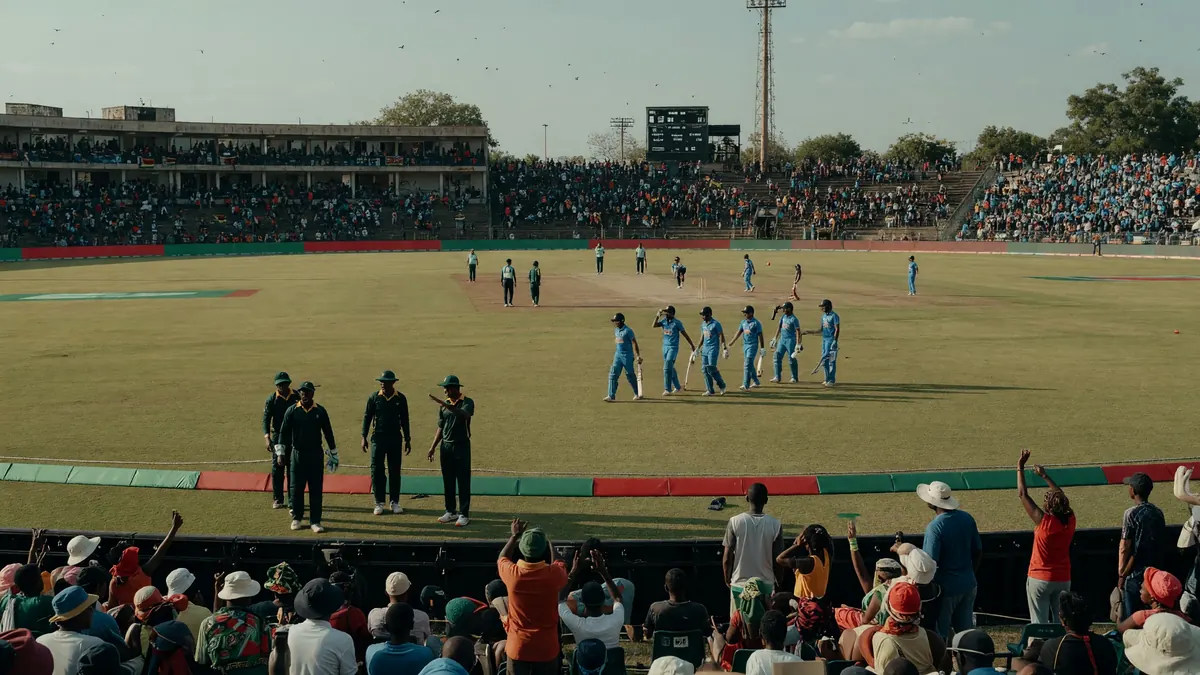
The first ball of India’s tour of Zimbabwe 2026 is a short-form fixture at Harare Sports Club, not a 50-over grind. Secondary headlines briefly mislabelled the game as an ODI; for fantasy users that format slip is expensive. T20I scoring concentrates points in powerplay hitting, multi-skill overs and death boundaries, so the credit map looks nothing like a long middle-order accumulator slate.
India arrive after a tour of England with a young group captained by Shreyas Iyer. Zimbabwe are led by Sikandar Raza at home. Named hosts in the current conversation include Blessing Muzarabani, Ryan Burl, Richard Ngarava, Brian Bennett and Ben Curran. India names under discussion for the fantasy shortlist include Abhishek Sharma, Vaibhav Suryavanshi, Tilak Varma, Rinku Singh, Mayank Yadav, Ravi Bishnoi and Ishan Kishan as the sample wicketkeeper.
India are expected to start as favourites to take a 1–0 series lead. Home advantage still matters for Zimbabwe’s pace pair and for Raza’s all-round floor. That gap between match tipping and fantasy ranking is the whole job for My11Circle builders: you can back India to win and still need three to five host exposures once the salary cap tightens.
Fixture
ZIM vs IND · 1st T20I · Harare Sports Club · 23 July 2026 · 4:30 PM IST
Series shape
Three-match T20I set. Opening ownership patterns will distort prices for games two and three.
On-field captains
India: Shreyas Iyer · Zimbabwe: Sikandar Raza
Platform focus
My11Circle-style 100-credit builds with C/VC multipliers and role quotas
Spend the 100 credits where the multiplier can print
My11Circle teams fail on this slate for a boring reason: users load four India batting premiums, then fill Zimbabwe with the two cheapest leftovers. That pattern creates identical lineups and leaves no room for a second host pacer when the new ball moves. Start the other way. Decide how many Zimbabwe overs and batting slots you need for uniqueness, lock those floors, then spend what remains on India ceiling.
A practical split for small leagues is six or seven India picks and four or five Zimbabwe picks. The India cluster should not be “every famous name.” It should be one multi-skill captain candidate, one high-upside opener or top-order hitter, one finisher, one keeper path, and two bowling lanes (pace plus wrist-spin). Everything else is optional once the final sheets are out.
Credits trapped in Ashok Sharma (7.0) and Newman Nyamhuri (7.5) are the clearest efficiency leaks flagged for this fixture. Those slots look harmless until you realise they block an upgrade to a confirmed bowler or a top-order host who actually threatens early wickets or opening overs. If a name is not in the final XI conversation, do not park leftover salary there out of habit.
Quick credit rules for Harare
- Pay for dual-path players before pure specialists when the board is unknown.
- Keep at least one Zimbabwe pacer who can bowl with the new ball.
- Leave two to three credits of flexibility for a late bowling swap after toss.
- Never fund a 7-credit out-of-XI stub when a confirmed top-order host is one tick more expensive.
Where India’s fantasy points actually concentrate
Treat India’s batting spine as a cluster of left-right power options rather than a single superstar tax. Abhishek Sharma sits at the centre of most safe builds because he bridges batting ceiling and bowling overs in T20 cricket. That dual path is why he is the preferred safe captain among the names listed for this fixture. Field captaincy belongs to Shreyas Iyer; fantasy captaincy is a different question and should not default to the armband.
Vaibhav Suryavanshi is the high-variance batting alternative. He belongs in many XIs on pure upside, but locking him as captain is a deliberate mega-contest move rather than a small-league default. Tilak Varma and Rinku Singh fill middle-order finishing roles. They remain relevant even when openers dominate the first six overs, because death-over boundaries still print on My11Circle scoring and finishers can outscore a quiet opener who faces eight dots after a strong powerplay.
Pace and spin split for India
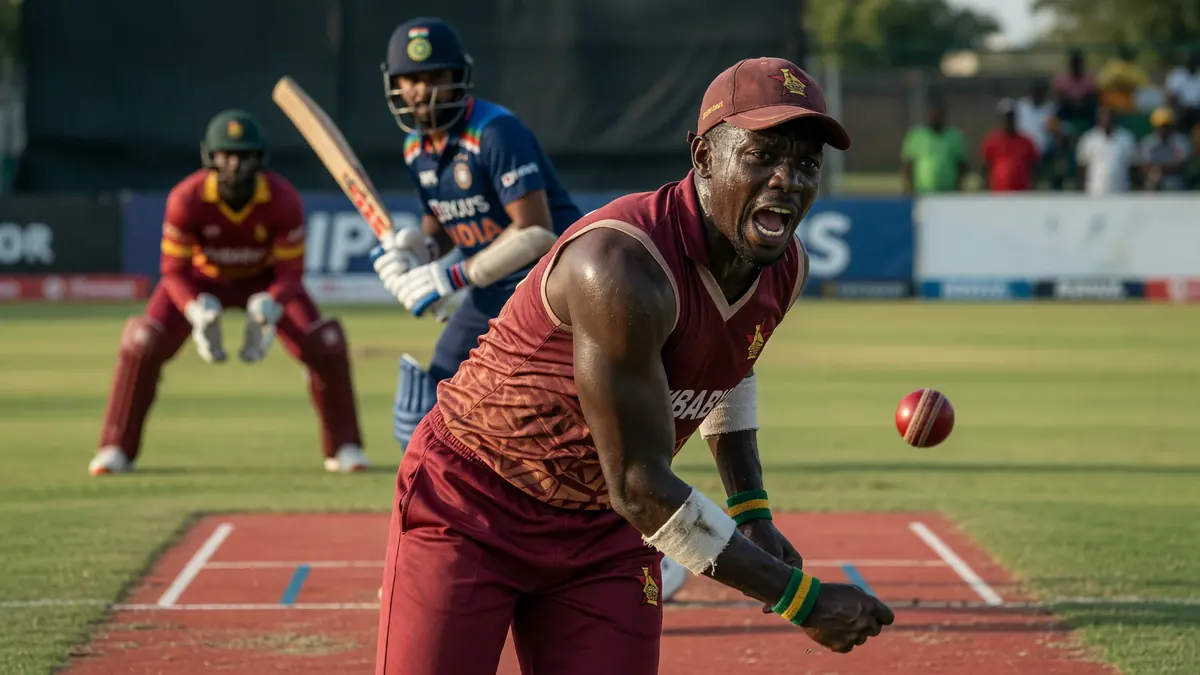
Mayank Yadav leads the pace conversation for this young attack. New-ball wickets and hard lengths at Harare keep him inside the core bowling three for most templates. Ravi Bishnoi anchors the spin lane; wrist-spin overs against Zimbabwe’s middle order are a clean second bowling path when the surface grips later in the evening.
Ishan Kishan is the listed wicketkeeper in the sample construction. Keeper points on My11Circle combine dismissals with batting contribution, so Kishan’s place is stronger when he bats inside the top six rather than as a pure lower-order specialist. If the final order drops him too deep, re-price the keeper slot before you touch the captain pair.
Iyer’s batting order still matters. He remains a solid batter pick in many balances, especially if he controls the middle overs after a young top order. The multiplier slot, though, is better spent on Abhishek Sharma in safe builds or on Suryavanshi when you are hunting rank in large fields. Paying a captain premium for an on-field leader who may face fewer high-ceiling overs is how portfolios flatten.
Home names that still belong in balanced XIs
Ignoring Zimbabwe entirely is the most common small-league mistake in India-tour fixtures. Credit pressure forces at least two or three host picks, and the right ones are not always the cheapest fillers. Home knowledge of Harare Sports Club also matters for lengths and slower-ball timing once the ball softens.
Sikandar Raza is the clearest Zimbabwe fantasy asset. As captain and primary all-rounder he offers batting middle-order volume plus overs, which is exactly the profile that survives when India dominate one innings. That is why he is the preferred vice-captain next to Abhishek Sharma in the safer captaincy lane. If Raza bowls four and bats in the middle, he can outscore a pure India specialist who only touches one phase.
Brian Bennett is the Zimbabwe differential who pairs well with a risky Indian batting captain. Ben Curran is the host batter most often mentioned for the top order in current sample sides. On the ball, Blessing Muzarabani and Richard Ngarava are the pace options with the cleanest path to early wickets if the new ball moves under the Harare afternoon-to-evening transition.
Ryan Burl remains a situational all-round mention rather than an automatic lock. Use him when you need a second Zimbabwe multi-skill piece and the credits do not stretch to another India premium. Do not force Burl into every build simply because he is a familiar name from previous bilateral series.
Must-consider
Sikandar Raza — highest floor among hosts for C/VC structures.
Pace pair
Muzarabani and Ngarava — prefer one if credits are tight, both if India batting premiums are trimmed.
Differential bat
Brian Bennett as VC in risky builds; Ben Curran as a cheaper top-order stub.
Safe lane vs risk lane for My11Circle
Captaincy is where this slate separates disciplined entries from hopeful ones. The confirmed safe pairing from the current preview set is Abhishek Sharma as captain with Sikandar Raza as vice-captain. That combination mixes India’s multi-skill ceiling with Zimbabwe’s most reliable all-round floor and keeps you competitive if either batting group stalls for a phase.
The risky pairing flips the narrative: Vaibhav Suryavanshi as captain with Brian Bennett as vice-captain. Use it in a minority of mega-contest entries where unique ranking matters more than median score. Do not run that pair as your only ticket in a head-to-head or small league. The downside is simple: if Suryavanshi’s first five balls are dots and Bennett is squeezed for overs, both multipliers miss in the same window.
Safe build
C: Abhishek Sharma
VC: Sikandar Raza
Best for small leagues and the majority share of a multi-entry portfolio.
Risk build
C: Vaibhav Suryavanshi
VC: Brian Bennett
Reserve for 20–30% of large-field entries after final XI confirmation.
If the toss and final batting order push Iyer or Tilak into a more aggressive slot than expected, adjust the non-captain batters first. Keep the safe C/VC pair intact unless a late injury removes Abhishek or Raza from the XI. A third hybrid path — Suryavanshi captain with Raza vice-captain — can sit between the two poles when you want India batting upside without full Zimbabwe differential risk.
A My11Circle template for the Harare opener
The following construction follows the published sample shape for this fixture. Treat it as a locked template only after both final XIs are out; one forced change in the bowling attack can free two credits and change the Zimbabwe pace choice.
Suggested XI
- WK: Ishan Kishan
- BAT: Vaibhav Suryavanshi, Shreyas Iyer, Ben Curran
- AR: Abhishek Sharma (C), Sikandar Raza (VC), Brian Bennett
- BOWL: Mayank Yadav, Blessing Muzarabani, Richard Ngarava, Ravi Bishnoi
Role math inside that XI: one keeper, three specialist batters, three all-rounders and four bowlers. The India–Zimbabwe split is deliberately uneven toward India without becoming a pure one-team stack. Curran, Raza, Bennett, Muzarabani and Ngarava give five host exposures, which is enough to stay unique if India batting premiums are heavily owned.
If you need a cheaper build after a late India bowling confirmation, the first trim is usually one of the two Zimbabwe pacers, not Raza. If you need upside in a mega league, the first upgrade is often moving Suryavanshi into the captain slot while leaving the rest of the skeleton intact. Avoid the reverse: stripping Raza to fund a second India pure batter who already has three peers in your XI.
How to adapt the template after toss
Harare evening games can reward the chase if the ball comes on under lights. That does not require a full rebuild. Change order of preference, not the entire philosophy. The players who lose value after toss are usually pure specialists tied to one innings phase; dual-path names keep more of their projection.
If India bowl first
Keep Mayank Yadav locked. Prefer an extra specialist bowler only if a confirmed India batter is benched. Raza’s bowling overs gain relative value against an India batting group still settling after travel.
If India bat first
Lean into Abhishek Sharma and the top-order India batters. Zimbabwe pace remains relevant with the new ball; do not cut both Muzarabani and Ngarava unless credits force a single host pacer.
If a premium is ruled out
Replace like-for-like by role. A missing India all-rounder should not be replaced by a pure host batter solely because the name is cheap.
Multi-entry structure for a ten-ticket set: six tickets on the safe C/VC pair with minor batting churn, two tickets elevating Suryavanshi to captain while keeping Raza as VC, and two high-variance tickets on the Suryavanshi–Bennett pair. That spread keeps you exposed to the median outcome without abandoning uniqueness.
For broader match-preview reading beyond this fixture, the desk keeps ongoing fantasy notes on the fantasy cricket blog.
Ownership traps before game one of a bilateral
Opening fixtures on a short tour create sticky ownership. Casual entries stack the visiting favourites, underweight the home all-rounder, and ignore the second host pacer. That is useful if you are building for large fields, because a single well-chosen Zimbabwe differential can separate otherwise identical India cores.
In head-to-head and small leagues, chase median reliability instead. Abhishek Sharma plus Raza as the captain axis, Kishan only if his batting slot is stable, and one confirmed India pace option are enough structure. Churn the remaining batters and the second Zimbabwe pace seat after the toss rather than inventing a brand-new skeleton ninety minutes before lock.
Also watch the format discipline: pure accumulators without boundary upside waste the multiplier in T20I scoring. If a player’s path to 50-plus fantasy points requires twenty low-risk singles and no bowling, he is a poorer captain candidate than a multi-skill name who can contribute in two columns even on a quiet batting night.
High projected ownership
Abhishek Sharma, Iyer, Mayank Yadav, Raza — expect crowded cores; differentiate around them, not against all of them.
Useful low-owned levers
Brian Bennett, Ben Curran, the second Zimbabwe pacer, and Suryavanshi captain builds in minority shares.
Fade list
Ashok Sharma and Newman Nyamhuri on cost-efficiency grounds; any out-of-XI stub taking 7-plus credits.
Final checks before the 4:30 PM IST window
- Confirm both XIs — young India tours often hide a late bowling call between pace options.
- Re-check Kishan’s batting slot; keeper value collapses if he drops too low.
- Do not spend leftover credits on Ashok Sharma or Newman Nyamhuri when a confirmed bowler or top-order host is available.
- Keep Abhishek Sharma’s captain percentage highest across your portfolio unless he is not playing.
- Remember the format: T20I scoring, not ODI grind — overloads on pure accumulators without boundary upside waste the multiplier.
- If India rest a finisher, do not automatically promote a Zimbabwe pure batter into the captain conversation; promote by role, not by vacancy.
India remain favourites to take a 1–0 lead, but fantasy ranking is not the same as match tipping. Balanced Raza exposure is how you stay alive when Zimbabwe’s home attack steals early wickets and the favourite’s top order spends ten balls finding the middle.
Next event to watch on the same tour: the second T20I of the three-match series, when ownership from this opener will distort captain prices and create fresher differentials among players underused in game one.
Disclaimer: Fantasy cricket involves financial risk and is restricted in several Indian states. Verify eligibility on your app before entering paid contests. Analysis is editorial, not financial advice. Play only with money you can afford to lose.
Fixture facts referenced from Sportsdunia’s ZIM vs IND 1st T20I My11Circle preview (22 July 2026).